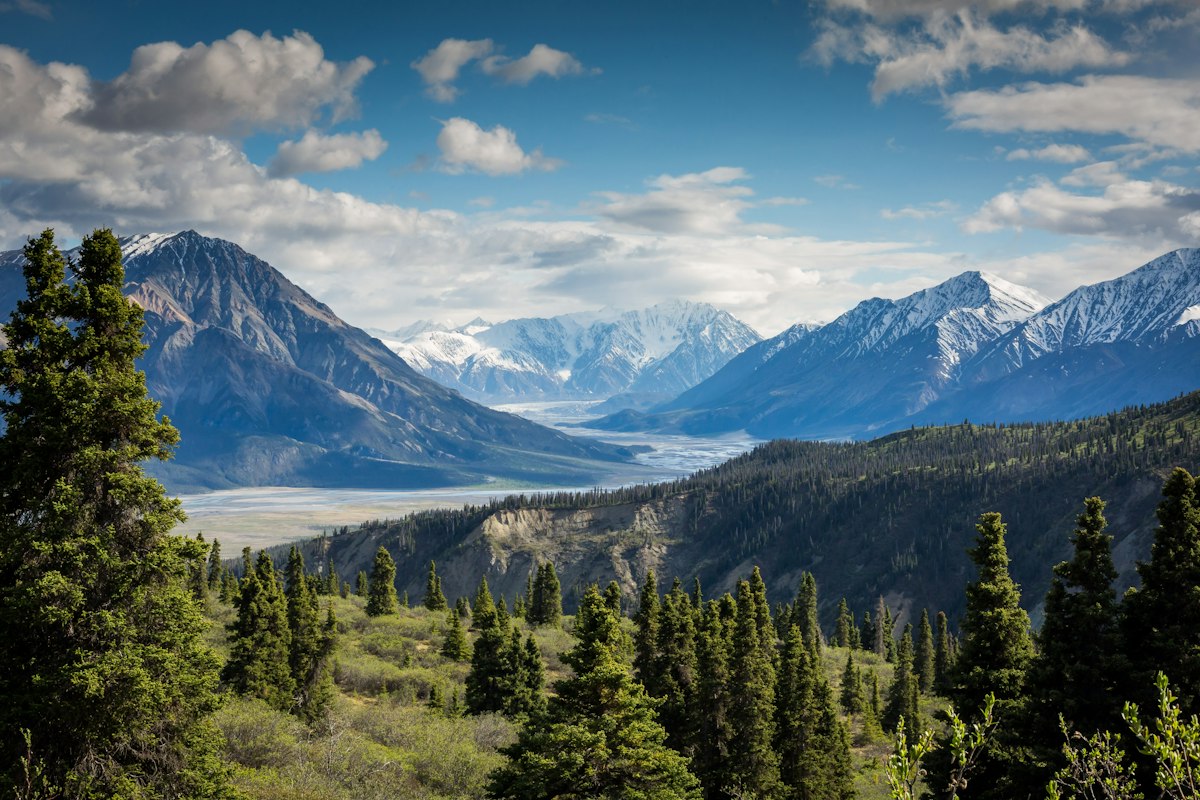
Banff National Park is one of those rare places that exceeds every expectation. The photographs you've seen on Instagram — the electric-turquoise lakes, the cathedral peaks, the elk strolling through town — are somehow even more vivid in person. Canada's oldest national park covers 6,641 square kilometres of the Alberta Rockies, and after more than a century of visitors, it still feels like the edge of the wild. This guide gives you everything you need to plan a trip that goes beyond the parking lot at Moraine Lake.
Lake Louise: The Jewel of the Rockies
Lake Louise is so photogenic it almost feels staged. The glacially-fed water shifts between pale mint and deep turquoise depending on the angle of the sun, with Victoria Glacier draped across the far end and the grand Fairmont Chateau Lake Louise standing sentinel on the shore. The lakeshore trail is flat, paved, and thoroughly enjoyable, but the real reward comes from climbing higher. The Plain of Six Glaciers Trail (14 km round-trip) winds above the treeline to a backcountry teahouse that has been serving hikers since 1924 — it runs entirely on solar power and horses carry all its supplies.
Arrive before 7 a.m. in summer if you want the lake to yourself and a parking spot. Parks Canada operates a mandatory shuttle from the Lake Louise Ski Resort parking lot from late May through early October, so check the official Parks Canada site before you drive.
Moraine Lake: Worth Every Effort to Get There
If Lake Louise is famous, Moraine Lake is legendary. Nestled in the Valley of the Ten Peaks, this smaller lake has no right to be as beautiful as it is. The classic viewpoint — the Rockpile Trail, a five-minute scramble up a pile of boulders — is arguably the most photographed spot in Canada. Go in late June when lingering snow still caps the peaks, or in September when the larches turn gold.
Moraine Lake Road is closed to private vehicles entirely during peak season (late May to mid-October). You must take a Parks Canada shuttle from the Banff Visitor Centre or the Lake Louise overflow lot. Book shuttle tickets weeks in advance at reservation.pc.gc.ca — they sell out fast. Alternatively, cycling the 13 km road from Lake Louise Village is a legitimate and satisfying option.
The best light at Moraine Lake hits between 6–8 a.m. If you book the first shuttle of the day or cycle in, you'll have those turquoise waters largely to yourself before the tour buses arrive. The evening light is also gorgeous, and many visitors have cleared out by 5 p.m.
The Best Hikes in Banff National Park
Banff has trails for every fitness level, from flat lakeshore strolls to multi-day backcountry routes. Here are six that genuinely stand out:
- Plain of Six Glaciers (14 km, moderate): Teahouse reward at the end, spectacular glacier views.
- Larch Valley (11 km, moderate): Peak golden-larch season is mid-September. One of the most beautiful autumn hikes in North America.
- Ha Ling Peak (6 km, strenuous): Near Canmore, this steep climb rewards you with a 360-degree panorama over the Bow Valley.
- Johnston Canyon to Ink Pots (11 km, easy-moderate): Walkways bolted into canyon walls lead past waterfalls to turquoise mineral springs.
- Sulphur Mountain via Gondola or Trail (11 km, strenuous): Walk up, take the gondola down, and enjoy the Banff townsite spread out below.
- Berg Lake Trail (42 km, backcountry): Accessed from Mount Robson Provincial Park, this multi-day route passes a waterfall-fed turquoise lake beneath a glacier.
Wildlife Watching in Banff
Banff is home to grizzly and black bears, wolves, elk, moose, bighorn sheep, mountain goats, and wolverines. Wildlife sightings are common, particularly in the shoulder seasons of spring and fall. The Bow Valley Parkway (Highway 1A) running parallel to the Trans-Canada is the best road for wildlife — slow down and scan the meadows at dusk and dawn.
Elk are frequently spotted right in Banff townsite, especially during the September rut when bulls bugle and clash antlers. Keep a respectful distance (at least 30 metres from elk, 100 metres from bears) and never feed any wildlife. Parks Canada issues significant fines for violations, but more importantly, fed wildlife can become dangerous and must be destroyed.
The Icefields Parkway: A Drive You'll Never Forget
The 232-kilometre highway connecting Banff and Jasper is widely regarded as one of the world's great scenic drives. You'll pass through the Columbia Icefield — the largest mass of ice in the Rockies — and can step onto the Athabasca Glacier via an Ice Explorer tour. Bow Lake, Peyto Lake, and Sunwapta Falls are among the many stops worth pulling over for. Budget an entire day for the drive and avoid rushing it.
Where to Stay in Banff
Accommodation in Banff runs from luxurious historic hotels to budget hostels and backcountry campgrounds. The Fairmont Banff Springs and Fairmont Chateau Lake Louise are bucket-list stays but require booking six to twelve months ahead. Brewster's Mountain Lodge and the Moose Hotel & Suites offer mid-range comfort in Banff townsite. HI Banff Alpine Centre is a well-run hostel popular with solo travellers. For camping, Tunnel Mountain has three campgrounds with varying levels of hookups; backcountry permits are required for overnight wilderness camping and are booked through Parks Canada's reservation system.
Best Time to Visit Banff
Each season offers a completely different Banff experience. July and August bring warm weather, all trails open, and long daylight hours — but also peak crowds and premium prices. June is excellent for waterfalls swollen with snowmelt, and the lakeside crowds are manageable. September is arguably the best month overall: golden larches, elk rut, fewer visitors, and still-comfortable hiking temperatures. Winter (December–March) transforms Banff into a ski destination anchored by three world-class ski resorts (Norquay, Sunshine Village, and Lake Louise Ski Resort) with the added magic of frozen turquoise lakes and dramatic ice formations in Johnston Canyon.
A Parks Canada Discovery Pass ($75.25/adult, $145.25/family in 2025) covers entry to all national parks and is worth purchasing if you plan to visit more than once or spend multiple days. Reserve campgrounds and shuttle tickets through reservation.pc.gc.ca as early as possible — popular sites book out months in advance.
Practical Tips for Your Banff Trip
- Cell service is unreliable once you leave Banff townsite — download offline maps before heading out.
- Carry bear spray on all hikes and know how to use it. It's available for rent at outdoor gear shops in town.
- The Trans-Canada Highway through the park has wildlife overpasses and underpasses — watch for animal crossings, especially at dawn and dusk.
- Gas up in Banff or Canmore — fuel along the Icefields Parkway is limited and expensive.
- Weather can change rapidly at altitude. Even in summer, pack a waterproof layer, warm mid-layer, and sun protection for the same day.
Recommended Gear
Pack Right for Banff
The Rockies demand gear that can handle fast-changing mountain weather and serious trails. Here are our top picks.
As an Amazon Associate, I earn from qualifying purchases.
Plan Your Banff Adventure
Sign up for our free Canada travel guide and get insider tips, packing lists, and itineraries delivered straight to your inbox.
Get the Free Guide