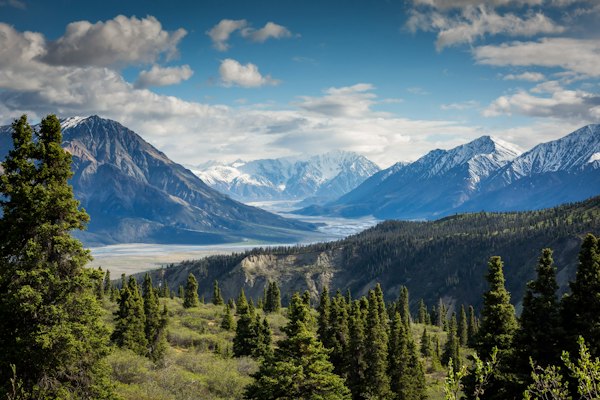
Canada is the second-largest country on earth, and the only way to truly understand that scale is to drive across it. From the tidal flats of the Bay of Fundy to the glacial peaks of the Rockies, from the boreal forest stretching to the horizon in northern Ontario to the Pacific rainforest dripping with moss along the BC coast, Canada rewards road trippers with a sheer variety of landscape that few countries can match. This guide covers the country's most spectacular driving routes, practical tips for driving in Canada, and advice on making the most of the national and provincial campground networks.
The Four Greatest Canada Road Trip Routes
1. Icefields Parkway (Highway 93), Alberta
The Icefields Parkway connecting Banff and Jasper national parks is arguably the most scenic road in the world. Every kilometre reveals another glacier, turquoise lake, or mountain peak. Mandatory stops include Bow Lake, the Peyto Lake viewpoint (a short uphill walk rewards you with an impossibly turquoise lake shaped like a wolf's head), Mistaya Canyon, the Columbia Icefield, Sunwapta Falls, and Athabasca Falls. The Columbia Icefield Adventure offers guided tours onto the Athabasca Glacier — the largest accessible glacier in North America. Gas up at either end; there are no fuel stations along the parkway itself.
2. The Cabot Trail, Cape Breton Island, Nova Scotia
The Cabot Trail loops around the northern tip of Cape Breton Island through the Cape Breton Highlands National Park, hugging seaside cliffs and dipping through highland valleys. In September and October, the fall foliage transforms this drive into something extraordinary — some of the best autumn colour in North America. The park has excellent hiking, including the Skyline Trail (9 km return) which ends at a boardwalk suspended over cliffs above the Gulf of St. Lawrence. The region is known for seafood (fresh lobster is cheap and everywhere), Celtic music in local pubs, and a pace of life that invites you to slow down completely.
3. The BC Coast and Sea-to-Sky Corridor, British Columbia
British Columbia's coast and mountain highways offer more concentrated natural beauty per kilometre than perhaps anywhere else in Canada. The Sea-to-Sky Highway (Highway 99) from Vancouver to Whistler is just the opening act — north of Whistler, the road continues through Pemberton and the Fraser Canyon. The Sunshine Coast (accessible by ferry from Horseshoe Bay) is a 180-kilometre stretch of coastal communities linked by two short ferry crossings. For the full BC coastal experience, the BC Ferries Inside Passage sailing from Port Hardy to Prince Rupert is a 15-hour overnight journey through some of the world's most dramatic fjordland scenery — combine it with a road trip to create a north–south loop.
4. The Trans-Canada: Ontario to Atlantic Canada
The full Trans-Canada Highway spans 7,821 kilometres from Victoria, BC to St. John's, Newfoundland — the longest national highway in the world. The eastern section from Toronto to the Atlantic coast passes through some underrated Canadian landscapes. Quebec's Eastern Townships are beautiful and culturally rich. New Brunswick's Fundy Trail follows the world's highest tidal shores (the Bay of Fundy has tides of up to 17 metres). Prince Edward Island, reached by the Confederation Bridge, offers red-clay farmland, excellent seafood, and the Anne of Green Gables heritage sites. Nova Scotia and Cape Breton complete the journey east.
Essential Tips for Driving in Canada
Distances and Fuel Planning
Canada's geography means that services can be very far apart once you leave major highways and cities. In northern and rural areas, fill up whenever you see a gas station — in some stretches, the next one may be 200+ kilometres away. Fuel prices vary significantly by province: BC and the territories typically have the most expensive fuel; Prairie provinces are generally cheaper. Some remote First Nations communities have gas stations that accept cash only — carry some for backup.
Wildlife on the Road
Animal-vehicle collisions are a genuine danger on Canadian roads, particularly at dawn and dusk. Moose are the most dangerous — they are extremely large, their legs mean they land on the windshield in a collision, and they tend to stand in the road rather than moving when headlights approach. Reduce speed in areas with wildlife warning signs and avoid driving through Banff and Jasper national parks after dark if possible. Deer, black bears, elk, and bighorn sheep are also frequently encountered on rural roads.
Weather and Road Conditions
Mountain passes in BC and Alberta can close with little warning due to snow, avalanche control, or landslides even in late spring and early fall. Before driving mountain passes like Rogers Pass (Trans-Canada through Glacier National Park) or the Coquihalla Highway, check DriveBC.ca (BC) or 511.alberta.ca (Alberta) for real-time conditions. Winter tires are mandatory in BC for most highway travel from October 1 to April 30 — rental cars typically come equipped, but confirm before accepting the vehicle.
Provincial Speed Limits and Traffic Laws
Highway speed limits in Canada are 100–110 km/h (not mph). School zone limits (40 km/h when lights are flashing) are strictly enforced. Distracted driving laws are some of the strictest in North America — in BC, a first offence for using a handheld device while driving costs $368 in fines plus a four-demerit penalty that can trigger insurance surcharges. Use a phone mount or Bluetooth for navigation.
International visitors need a valid driver's licence from their home country; in most provinces this is accepted for visits under 90 days. An International Driving Permit (IDP) is not legally required in most Canadian provinces but is recommended as a backup. Rental car companies in Canada charge significant fees for cross-provincial or cross-border drops — if you plan to drive from Ontario to BC or drop off in a different province, confirm the one-way fee before booking. Major car rental companies are present at all international airports; book ahead in summer as inventory sells out.
Campgrounds: Where to Sleep on a Canada Road Trip
Canada has exceptional camping infrastructure, from front-country Parks Canada campgrounds with hookups to remote backcountry sites accessible only by trail. Here's how to navigate the system:
Parks Canada Campgrounds
National park campgrounds are managed by Parks Canada and reservable through reservation.pc.gc.ca. Tunnel Mountain in Banff, Whistlers and Wapiti in Jasper, and Point Pelee in Ontario are among the most popular and book out months in advance for summer weekends. Book as early as the reservation window opens (typically three months before). The Parks Canada Discovery Pass covers entry to all national parks and historic sites — essential for a multi-park trip.
Provincial Parks
Each province has its own parks system with its own reservation platform. BC provincial parks (reserve via Discover Camping), Ontario Provincial Parks (reserve via OntarioParks.com), and Nova Scotia Provincial Parks all offer excellent camping with varying levels of services. Many provincial parks have walk-in wilderness sites at no or low cost for those willing to carry their gear a short distance from the parking area.
Free Camping on Crown Land
In most Canadian provinces (particularly BC, Alberta, and northern Ontario), camping on undesignated Crown Land is permitted without a reservation or fee. This is the route for experienced campers who want maximum flexibility and solitude. Apps like iOverlander and FreeRoam map legal free camping locations. Follow Leave No Trace principles strictly — the wilderness is the point.
RV and Campervans
Renting an RV or campervan is increasingly popular for Canadian road trips and makes campground booking more flexible (you can often show up without a reservation at less popular sites). Cruise Canada and CanaDream are the two largest national RV rental companies. Smaller campervans (like those from Indie Campers or van conversions) are easier to manoeuvre on mountain roads and fit in more campsite sizes. Budget approximately $150–$350 per day for an RV rental in peak season, including mileage.
Road Trip Packing Essentials
- Navigation: Download Google Maps and/or Maps.me offline before leaving cellular range. A physical road atlas is not a bad backup for remote areas.
- Emergency kit: Jumper cables, reflective triangles, first aid kit, and a small shovel are legally required or strongly recommended. In winter or remote driving, add a survival blanket, sand or kitty litter for traction, and extra warm layers.
- Bear spray: If you're hiking from your road trip stops in bear country (which most of Canada's great scenic routes pass through), carry bear spray and know how to use it.
- Cooler and camp kitchen: Stocking up at supermarkets in larger towns and cooking at campgrounds dramatically reduces road trip costs while improving the food quality over highway gas stations.
- A Parks Canada pass: Non-negotiable if you're visiting more than one national park.
June through September offers the best driving conditions, with all roads open and campgrounds operating. July and August are peak season — most popular campgrounds are fully booked on weekends. For the Icefields Parkway and Rockies drives, late June and September offer good conditions with fewer crowds. For the Cabot Trail, late September and early October is peak season for fall foliage. Avoid winter driving in mountain passes without extensive cold-weather driving experience and a fully equipped vehicle.
Recommended Gear
Essential Road Trip Gear for Canada
A great Canada road trip depends on the right gear. These essentials will keep you comfortable and self-sufficient on the road.
As an Amazon Associate, I earn from qualifying purchases.
Ready to Hit the Road?
Get our free Canada travel guide with detailed road trip itineraries, campground checklists, and route maps delivered to your inbox — completely free.
Get the Free Road Trip Guide