Toronto is a city that resists easy categorization. It's the most multicultural city in the world — over half of its residents were born outside Canada — and that diversity shows up in every aspect of life: food, neighbourhoods, festivals, languages overheard on the subway. With a population of nearly three million in the city proper, it's Canada's largest city and a genuinely world-class destination with more things to see and do than most visitors realize. This list covers the 25 experiences that define Toronto, from the iconic to the deeply local.
Iconic Toronto Experiences
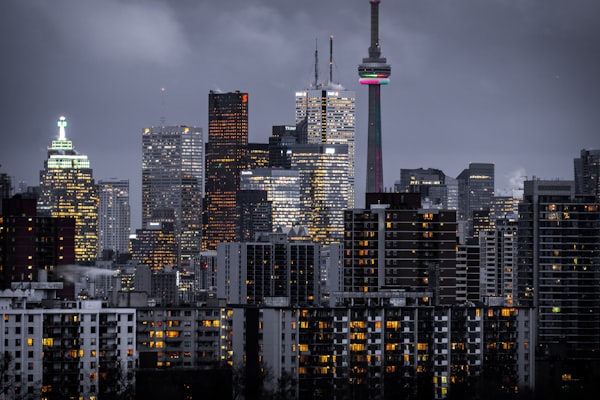
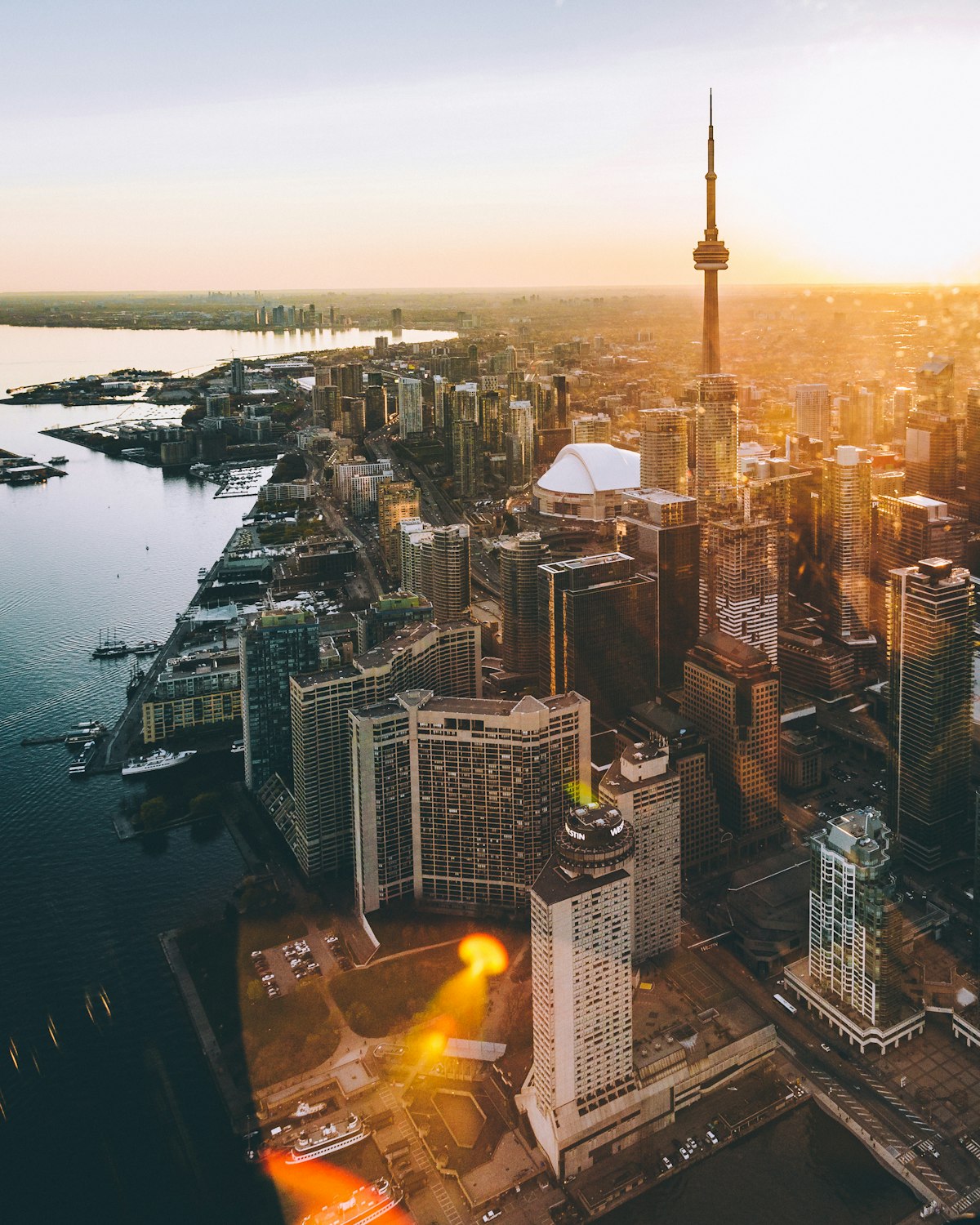
- CN Tower EdgeWalk and Glass Floor: The CN Tower stood as the world's tallest free-standing structure for over three decades (553 metres). The observation deck's glass floor panels are a stomach-dropping test of nerve, and the EdgeWalk — a hands-free walk around the outside of the tower's main pod — is the most thrilling thing you can do in the city. Book online to avoid long queues.
- Ripley's Aquarium of Canada: Directly adjacent to the CN Tower, Ripley's is one of the best aquariums in North America. The underwater tunnel with sharks and rays drifting overhead is genuinely spectacular. Budget two to three hours. Evening visits are less crowded than afternoons.
- Toronto Islands Ferry and Bike Ride: A 15-minute ferry from Jack Layton Ferry Terminal drops you on a car-free archipelago in Lake Ontario with a direct view back at the downtown skyline — the classic Toronto photo. Rent a bike and cycle between Centre Island, Ward's Island, and Algonquin Island. The beaches are genuinely good in summer. Hanlan's Point is clothing-optional.
- Royal Ontario Museum (ROM): Canada's largest museum, the ROM covers natural history, world cultures, and decorative arts across multiple floors of a building dramatically renovated with the crystalline "Michael Lee-Chin Crystal" addition by architect Daniel Libeskind. The dinosaur gallery and Ancient Egypt exhibits are outstanding.
- Art Gallery of Ontario (AGO): The AGO's Frank Gehry-designed expansion gave the gallery a soaring wood-and-glass facade and a world-class collection spanning Group of Seven paintings, European masters, Indigenous art, and contemporary works. The permanent collection is free on Wednesday evenings for visitors under 25.
Neighbourhoods Worth Getting Lost In
- Kensington Market: This dense, anarchic neighbourhood west of Chinatown is a collision of cultures, vintage clothing stores, independent cafés, international food markets, and street art. Come on a warm Sunday when it becomes a pedestrian zone. There's nowhere else like it in Canada.
- Distillery District: Toronto's best-preserved collection of Victorian industrial architecture has been transformed into a pedestrian village of galleries, restaurants, boutiques, and the annual Toronto Christmas Market (one of the best in North America). The cobblestone streets and red-brick industrial buildings make an atmospheric setting for an afternoon wander.
- Chinatown and Spadina Avenue: Toronto's Chinese community dates back to the 1870s, and the stretch of Dundas and Spadina remains one of the most vibrant Chinatowns in North America. Shop for fresh produce and dried goods, eat dim sum at Mother's Dumplings, and browse the Vietnamese grocery stores alongside the Cantonese bakeries.
- Little Italy and College Street: College Street between Bathurst and Shaw is lined with patios that fill from April through October. This is where Torontonians actually spend their evenings — good wine bars, casual Italian restaurants, and coffee shops that take their espresso seriously.
- Leslieville: East-end Leslieville went from industrial backwater to one of the city's most desirable neighbourhoods over the past twenty years. Queen Street East here has excellent brunches, independent bookshops, and antique stores. Broadview Hotel has a rooftop bar with commanding city views.
Toronto's TTC subway system is limited in coverage but reliable on the four main lines. For wider exploration, the extensive streetcar and bus network fills the gaps. The Presto card (reloadable transit card) works across all TTC services and most regional transit providers. Avoid driving downtown — parking is expensive and traffic is brutal. Bike share (Bike Share Toronto) has hundreds of stations and is genuinely the fastest way to move around central neighbourhoods.
Food Experiences You Should Not Miss
- St. Lawrence Market: Operating since 1803, this is one of the world's great food markets. The South Market building (open Tuesday–Saturday) has fishmongers, cheese vendors, meat counters, and food stalls selling everything from peameal bacon sandwiches (a Toronto specialty) to fresh pasta. Come hungry on a Saturday morning.
- Toronto Food Tour in Kensington or St. Lawrence: Guided food tours of Kensington Market or St. Lawrence Market are an excellent way to understand the city's culinary story. Tour companies include Tasty Tours and A Fork in the Road — groups are small and guides are deeply knowledgeable about local food history.
- Chinatown East (Gerrard Street): The Gerrard India Bazaar, stretching along Gerrard Street East, is the heart of Toronto's South Asian community. The best Indian and Sri Lankan food in the city is here, and it's extremely affordable. Order the biryani at Lahore Tikka House, a Toronto institution.
- The Danforth (Greektown): Danforth Avenue between Chester and Pape is lined with Greek tavernas, bakeries, and coffee shops. The annual Taste of the Danforth festival (August) is one of Toronto's largest outdoor food festivals. Outside festival season, the neighbourhood is an excellent dinner destination.
- Ossington Avenue: This once-gritty strip has become Toronto's most exciting restaurant row, with a concentration of natural wine bars, chef-driven restaurants, and cocktail bars. Book ahead for Edulis (exceptional tasting menu) or Bar Raval (pintxos and Spanish natural wine).
Arts, Culture and Hidden Gems
- Aga Khan Museum: This stunning building in North York houses Islamic arts and culture from across fourteen centuries and more than twenty countries. The architecture — designed by the Pritzker Prize-winning Fumihiko Maki — is as impressive as the collection inside.
- Casa Loma: Toronto's only castle, built between 1911 and 1914 for financier Sir Henry Pellatt, sits on a hill in midtown and offers a fascinating look at Edwardian-era excess. Secret passages, a stable connected by an 800-foot tunnel, and panoramic city views make it genuinely worth the entry fee.
- Toronto Harbourfront Centre: The waterfront redevelopment along Queens Quay West is home to outdoor skating in winter, summer concerts, art installations, and the Power Plant Contemporary Art Gallery (free admission). Walk the boardwalk east past the Harbourfront to Sugar Beach.
- Graffiti Alley: Running parallel to Queen Street West between Spadina and Portland, Graffiti Alley is a 400-metre outdoor gallery of commissioned and guerrilla street art that has been evolving for decades. It's also a prime photography location.
- High Park: Toronto's largest public park covers 161 hectares in the west end, with a zoo (free admission), Grenadier Pond, tennis courts, a sports area, and the famous cherry blossoms that explode in late April and draw thousands of visitors. Shakespeare in High Park runs outdoors every summer.
Sports, Events and Seasonal Highlights
- See the Toronto Raptors (NBA): The 2019 NBA champions play at Scotiabank Arena from October through April. The atmosphere at a Raptors game is electric and distinctly Torontonian — pick up tickets on secondary market apps for reasonable prices outside of marquee matchups.
- Toronto International Film Festival (TIFF): Every September, TIFF transforms downtown Toronto for ten days into the world's most important public film festival. Many screenings are accessible to the public through advance ticket purchase. Walking down King Street West during TIFF is a genuine celebrity-spotting opportunity.
- Pride Toronto: The annual Pride festival in late June culminates in one of the largest Pride parades in the world, drawing over a million spectators to the Church-Wellesley Village and downtown core. The weeks-long festival includes events across the city.
- Caribana (Scotiabank Caribbean Festival): The annual Caribbean festival, held in late July, features the Grand Parade — a massive, colourful procession of costumes, steel drums, and soca music along Lakeshore Boulevard that attracts over a million people. It's the largest Caribbean street festival in North America.
- Ontario Science Centre: Slightly underrated as a Toronto attraction, the OSC has excellent permanent galleries and rotating special exhibitions on technology, space, and the natural world. The IMAX dome theatre shows nature and science films that are worth the add-on ticket.
June through September is peak season: warm, festival-packed, and ideal for outdoor exploration. September (TIFF month) is particularly exciting. October brings spectacular fall foliage in parks and ravines, with notably smaller crowds. Winter is cold (regularly -10°C to -20°C with wind chill) but the indoor food and cultural scene is exceptional, and PATH — the 30-kilometre underground pedestrian network connecting downtown buildings — makes getting around bearable without facing the cold.
Recommended Gear
Toronto Travel Essentials
Make the most of your Toronto trip with these travel must-haves, from long-haul comfort to exploring the city.
As an Amazon Associate, I earn from qualifying purchases.
Build Your Perfect Toronto Itinerary
Sign up for our free Canada travel guide and get a day-by-day Toronto itinerary, neighbourhood maps, and restaurant picks sent straight to your inbox.
Get the Free Guide