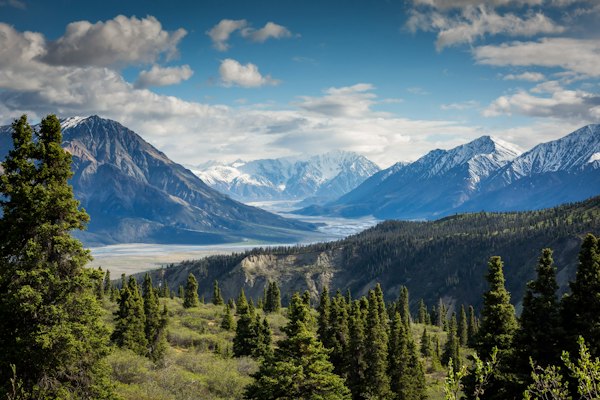
Vancouver occupies one of the most dramatically beautiful urban settings on the planet. Snow-capped mountains rise directly behind the downtown skyline, the Pacific Ocean laps at seawalls and beaches, and the temperate rainforest pushes right up to city limits. It's also one of the most culturally diverse cities in the world, and that diversity shows up most vividly in the food — from Japanese izakayas in the West End to Cantonese dim sum in Richmond to Indigenous-run restaurants serving bannock and bison. A week here is not enough. Two weeks is a good start.
Stanley Park: Vancouver's Great Green Lungs
Stanley Park is 405 hectares of old-growth forest jutting into Burrard Inlet on a peninsula immediately north of downtown. The 8.8-kilometre seawall that circles it is one of the world's great urban cycling and walking paths, offering continuous ocean views with the North Shore mountains as a backdrop. Inside the park: the Vancouver Aquarium, Beaver Lake, Prospect Point with its suspension bridge views, Second Beach, and Third Beach for summer swimming. Rent a bike from one of the stands near the park entrance — cycling the seawall takes about an hour at a leisurely pace and is the best possible introduction to Vancouver.
Beyond the seawall, the park's interior trails wind through Douglas fir and Western red cedar trees that were already centuries old when Vancouver was founded in 1886. The Hollow Tree — a massive ancient cedar stump — is a traditional photo stop. The park is free to enter and accessible 24 hours.
Granville Island: Market, Studios & Craft Beer
Granville Island sits under the Granville Street Bridge on False Creek, a former industrial site transformed into a thriving hub of artisan food, galleries, and live performance. The Public Market is the anchor: a covered market packed with cheese vendors, bakeries, fishmongers, butchers, prepared food stalls, and fresh produce stands. Go hungry, graze widely, and pick up supplies for a picnic on the waterfront deck outside.
Beyond the market, the island has working artists' studios, a dedicated kids' market, theatres hosting year-round performances, and the Granville Island Brewing taproom — one of Canada's earliest craft breweries. The Aquabus ferry connects Granville Island to downtown, Yaletown, and Kitsilano; taking it across False Creek is far more pleasant than driving.
Vancouver's Best Neighbourhoods
Gastown
Vancouver's oldest neighbourhood is centred on Water Street and named after "Gassy Jack" Deighton, a saloon keeper who established the first settlement here in 1867. The steam clock at the corner of Water and Cambie is the obligatory photo stop, but the neighbourhood's real appeal is its concentration of excellent independent restaurants, cocktail bars, and boutiques in Victorian-era brick buildings. Try L'Abattoir for refined French-influenced cooking or Guilt & Co. for live music in a basement bar.
Kitsilano
"Kits" stretches along the south shore of English Bay and has a distinctly laid-back, beach-town energy. Kitsilano Beach is the city's most popular summer swimming spot, with an outdoor heated saltwater pool directly on the ocean. West 4th Avenue and Broadway are the main commercial strips, lined with independent coffee shops, bookstores, yoga studios, and restaurants. The Museum of Vancouver and the H.R. MacMillan Space Centre are both here.
Commercial Drive
"The Drive" is Vancouver's most eclectic street: Italian cafés that have been serving espresso since the 1950s sit alongside Ethiopian restaurants, punk record stores, and a growing number of natural wine bars. It's the city's most interesting neighbourhood for a long afternoon wander.
Chinatown
Vancouver's Chinatown is one of the largest in North America and anchors a history that stretches back to the gold rush era. The Dr. Sun Yat-Sen Classical Chinese Garden — the first authentic classical Chinese garden built outside China — is a serene masterpiece hidden just off the main strip. The food options are exceptional; New Town Bakery for pineapple buns and steamed buns has been an institution for decades.
Don't leave Vancouver without eating dim sum in Richmond (Jade Seafood Restaurant or Empire Seafood are both excellent), trying sushi — the city's Japanese food scene rivals major Japanese cities — and having a bowl of ramen. For the classic Vancouver experience, grab a salmon hand roll from one of the food stalls at Granville Island's Public Market and eat it on the dock looking out over False Creek.
Day Trip to Whistler
The Sea-to-Sky Highway (Highway 99) connecting Vancouver to Whistler is one of the world's great drives: 120 kilometres of coastal fjords, waterfalls, and mountains. The drive itself takes about two hours each way, and several worthwhile stops break it up: Shannon Falls (a five-minute walk from the highway to a 335-metre waterfall), Squamish (home to North America's highest concentration of bald eagles in winter, and some of the world's best rock climbing), and the Sea-to-Sky Gondola for aerial views over Howe Sound.
Whistler village itself is one of the best ski resort villages in the world in winter, and in summer it transforms into a mountain biking, hiking, and outdoor festival destination. The Whistler Mountain Bike Park has trails for every level, and the Peak 2 Peak Gondola connecting Whistler and Blackcomb mountains runs year-round for spectacular alpine views.
Day Trip to Victoria
Victoria, the provincial capital of British Columbia, is a 35-minute floatplane flight or a 90-minute ferry ride from Vancouver. It's a compact, walkable city built around a beautiful inner harbour, with the Fairmont Empress Hotel and the British Columbia Parliament Buildings as its architectural centrepieces. The Royal BC Museum is world-class. Butchart Gardens — 55 acres of formal gardens built in a reclaimed limestone quarry 20 kilometres north of the city — is the most visited attraction in western Canada. Take the BC Ferries sailing from Tsawwassen for the scenic crossing through the Gulf Islands.
Getting Around Vancouver
Vancouver's SkyTrain rapid transit system is clean, frequent, and connects downtown to most major destinations including Vancouver International Airport (a 25-minute ride from downtown on the Canada Line). The transit system also includes buses and the SeaBus ferry across Burrard Inlet to North Vancouver. For exploring neighbourhoods, cycling is excellent — Vancouver has an extensive protected bike lane network. Taxis and rideshare apps are plentiful downtown. Driving and parking in central Vancouver can be frustrating and expensive; leave the rental car for out-of-city excursions.
Best Time to Visit Vancouver
June through September offers the most reliable dry weather, with July and August being warm (typically 22–26°C), sunny, and festival-packed. May is pleasant and less crowded. October brings spectacular foliage and still-manageable weather. November through March is the rainy season: grey, drizzly, and mild (rarely below 5°C in the city, though the mountains are buried in snow, which means excellent skiing). Pack a waterproof jacket regardless of when you go.
Vancouver is an expensive city, but many of its best experiences are free: Stanley Park, the seawall, beaches, most neighbourhood exploration, and the public markets. The Vancouver Art Gallery has a pay-what-you-can entry on Tuesday evenings. Eating well doesn't require spending a lot — the city's ramen shops, Korean BBQ spots, and dim sum restaurants offer exceptional value. Consider staying in Kitsilano or East Vancouver rather than downtown to significantly reduce accommodation costs.
Recommended Gear
Pack Smart for Vancouver
Vancouver's famous rain and nearby mountains mean a few essential items will make a big difference to your trip.
As an Amazon Associate, I earn from qualifying purchases.
Plan Your Vancouver Trip Today
Sign up for our free Canada travel guide packed with local tips, curated itineraries, and restaurant recommendations you won't find anywhere else.
Get the Free Guide